

Deficiencies in motor function and coordination become more pronounced in this stage. People may start behaving with less restraint, and judgment may now be askew. Some people also get drowsy, have trouble seeing well, or even experience some minor memory lapses. As intoxication becomes severe, all of these symptoms heighten, and a person experiencing them may vomit, black out (lose their memories of the evening), and eventually lose consciousness. They are best for people who have a high motivation to recover and cannot leave their responsibilities at home, work, or school. Outpatient programs are often part of aftercare programs once you complete an inpatient or PHP program.

The biphasic effects of alcohol on human aggression
Over time Ryan came to better understand factors that contributed to his drinking, including his anger and increased aggression when drinking. Therapy assisted him in recognizing how past wounds contributed to his vulnerability to both anger and alcohol use. After much consideration, he eventually joined an alcohol treatment program as I helped him grieve his wounds and manage his anger. In the case of alcohol, intoxication can lead to alcohol poisoning, increase the risk of vehicle accidents, and can increase a person’s risk for conditions such as cancer and cardiovascular problems. The generalizability of the study results may be limited by the low ecological validity of the laboratory environment. Certainly, there are contextual differences between a university laboratory and a barroom or house party, including expectations for social conventions and the effects of alcohol.
- Aggression is measured when the person is given an opportunity to shock or verbally threaten a competitor.
- In his case, he was already predisposed to anger arousal before he had his first drink.
- When a person is intoxicated, they may exhibit both physical and behavioral symptoms.
- While you wait, make sure the intoxicated person remains upright and awake.
- This article examines the differences in brain chemistry among individuals that influence whether alcohol increases aggression.
Alcoholism, Clin. Exp. Res.
Additionally, no participants reported suspicion of a placebo when asked about the study’s purpose. Taken together, these data suggest that the placebo condition was at least partially successful; participants believed that they received an alcoholic beverage and evidenced some variability in the extent to which they felt intoxicated. Animals rated as having a greater lifetime history of severe physical aggression were more likely than others to exhibit higher rates of aggression while intoxicated. Day-to-day home-cage competitive aggression—which is used to defend status, tends to be controlled and restrained, and generally does not result in injury—was not correlated with aggression during intoxication.

Effects of alcohol, gender, and role of spouses on attributions and evaluations of marital violence scenarios
Knowledge about the causal relationship between alcohol and psychostimulants, and aggression is important in law enforcement when evaluating the (aggravating) role of these substances to acts of aggression. A more recent study of 249 male and female heavy drinkers with a history of past-year intimate partner violence found that acute alcohol intoxication moderated the impact of problematic alcohol use on an attentional bias toward anger (Massa et al., 2019). Specifically, it found that problematic drinkers may be more likely to attend to aggressogenic stimuli while intoxicated, and that is, they were more likely to experience certain cues as aggressive. Interaction between young monkeys and adults not only affects the acquisition and development of behavior, but also plays a crucial role in the organization and proper development of the CNS. For example, a number of studies using nonhuman primates have shown that early experiences affect serotonin functioning during infancy and childhood (Higley et al. 1992b, 1993, 1996e; Kraemer et al. 1989). These studies have shown that adult influence, particularly maternal input, is critical to the development of the CNS serotonin system.
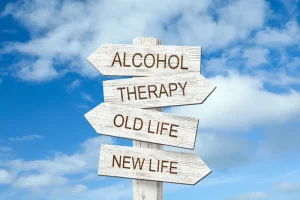
Understand the Risks and Get Help
- Buckingham and colleagues’ (2016) laboratory alcohol administration design addressed some of the above limitations.
- Outpatient programs are often part of aftercare programs once you complete an inpatient or PHP program.
- Cocaine has an effect-duration of 1–2 h and a half-life of 0.5-2 h (Bennett and Roy-Byrne, 2007).
- Because non-human primates are genetically our closest relatives, findings from these animals are more likely to have relevance to the human condition than findings from other animals.
- A life history of severe traumatic, but not restrained, competitive aggression was also predictive of aggression when the animals were intoxicated.
For outpatient treatment to be effective, the person needs to have a stable home situation that is supportive of recovery. Partial hospitalization programs (PHPs) provide similar services to inpatient programs. Services include medical care, behavioral therapy, and support groups, along with other customized therapies. People who are left to “sleep it off” may end up experiencing hazardously slowed breathing or complete respiratory arrest, or they may aspirate on their own vomit.
Even so, we consider the high internal validity to be a strength, particularly when alcohol’s effects on behavior may operate via an attentional mechanism (Steele & Josephs, 1988) and complements the external validity of earlier field research (Hales et al., 2015). To date there are no studies that directly investigate whether alcohol-induced aggressive behavior can be reduced through training in cognitive functions. An understanding of individual risk factors may contribute to providing treatments tailored to individual problems. Alcohol-related aggression and violence are a widespread cause of personal suffering with high socioeconomic costs.
«Intoxication occurs when alcohol intake exceeds your body’s ability to metabolize alcohol and break it down,» explains Amanda Donald, MD, a specialist in addiction medicine at Northwestern Medicine. A person can usually tell when they are intoxicated, but it may be challenging to spot the signs in others. Ethanol also increases levels of adenosine, an inhibitory neurotransmitter stages of alcohol poisoning that promotes sleep. This stage can be very dangerous and even fatal if a person chokes on their vomit or becomes critically injured. This stage is usually not counted as there is too little alcohol in the system to have noticeable effects. Medical care professionals treating patients for alcohol poisoning should check for possible Alcohol Use Disorder (AUD).


Serum 25-Hydroxyvitamin D and Subsequent Cancer Incidence and Mortality: A Population-Based Retrospective Cohort Study
- Anger management and alcohol treatment programs must recognize and educate participants about the relationships between alcohol and anger.
- Another study revealed that alcohol-dependent men had drunk significantly more alcohol in the 12 hours before violent conflicts with their partners than before situations that did not end in violence (14).
- This study showed that these effects are not universal, but that wide differences exist between individuals in the effects of alcohol on aggression.
- In patients who remained abstinent, the proportion was comparable to the figure for the control group, at only 15%.
- These effects typically start to occur when alcohol reaches a certain percentage of a person’s bloodstream, known as their blood alcohol content (BAC).